Category: Blog

Your blog category

  • Dreaming of Senegal or Tunisia but Wondering How to Pay for It?

    Dreaming of Senegal or Tunisia but Wondering How to Pay for It?

    If you’re a teacher who’s ever dreamed of joining a Vive l’expérience trip to Senegal or Tunisia—learning with artists, exploring history firsthand, connecting with other educators, and speaking French all day long—but that little voice says, “I’d love to go… but I just can’t afford it,” this post is for you.

    Let’s talk about funding your dream.


    Yes, There’s Money Out There for Teachers Like You

    It might feel intimidating at first, but here’s the truth: there are lots of grants, stipends, and fellowships specifically for teachers—and yes, many of them can help you pay for professional development that includes international travel.

    I’ve pulled together a list of real, up-to-date funding opportunities that could help you with your travel goals.

    👉 Here’s the full list of funding resources


    What Kind of Support Can You Get?

    The list includes:

    • Mini-grants for classroom-based projects (some starting at $500)
    • Fellowships that include travel and curriculum development
    • Large grants (up to $5,000 or more) that support teacher immersion, cultural exchange, and global education

    Some are state-specific. Others are open to all U.S. educators. Some even require a travel experience as part of the application.


    One Last Thought

    There are students waiting to learn what you’ll bring back. There’s a version of you in Senegal or Tunisia who’s already learning, connecting, becoming.

    You just need a little support to get there.

    Start here:
    👉 How to Fund Your Travel as a Teacher

  • Classroom Impact: Tenafly High School Students to Launch a Bilingual Picture Book Project

    Classroom Impact: Tenafly High School Students to Launch a Bilingual Picture Book Project

    Two high students in New Jersey were inspired by their French teacher’s trip to Senegal with Vive l’expérience and launched a unique bilingual project that I would like to share with you. Here’s their story:


    Bonjour! We are Eunsung and Dogyeong, rising high school seniors at Tenafly High School, New Jersey, and the founders of The Learning Compass. We are passionate about creating a community where children are heard, supported, and encouraged to be creative. Our mission is to help every child fit into a compassionate and supportive community.

    We have decided to create our own picture books because we wanted to do more than simply donate goods or books written by others. Instead of simply running fundraisers and organizing drives to collect existing materials, we felt a strong urge to create something of our own– something that could carry our voices, intentions, and efforts directly to the people and children who read them. By writing and designing our own books, we were able to tailor the content to be more engaging, accessible, and culturally relevant, especially for communities where representation in literature is often limited. In doing so, we weren’t just giving a book– we were offering a piece of ourselves, hoping to inspire curiosity, confidence, and joy in every child who holds it.

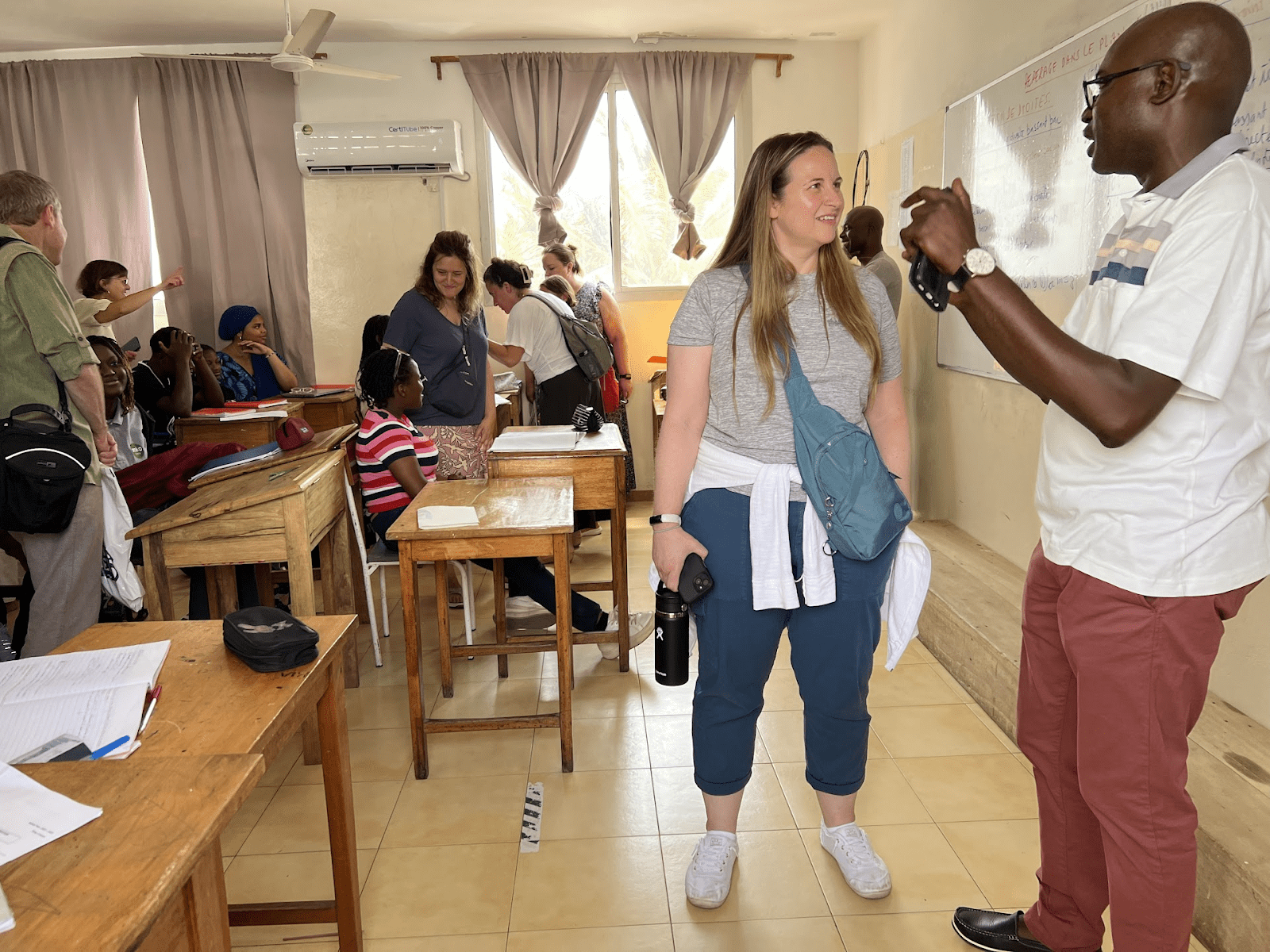
    Our teacher, Mme Megan Williams, played an inspiring and supporting role in mentoring and shaping the direction of our project. Her classroom is more than just a place to learn grammar and new vocabulary– it is a space where curiosity and cultural connection are actively nurtured. She consistently introduced us to meaningful experiences, such as participating in pen pal exchanges using her own resources and engaging with the broader Francophone community through units like Contes et légendes du monde, Manie Musicale and Tourisme Responsable. She also shared firsthand experiences and materials from her trip to Sénégal in 2023 with Vive l’expérience which helped us gain new perspectives about that beautiful corner of the Francophone world.

    Mme Williams in Senegal Classroom
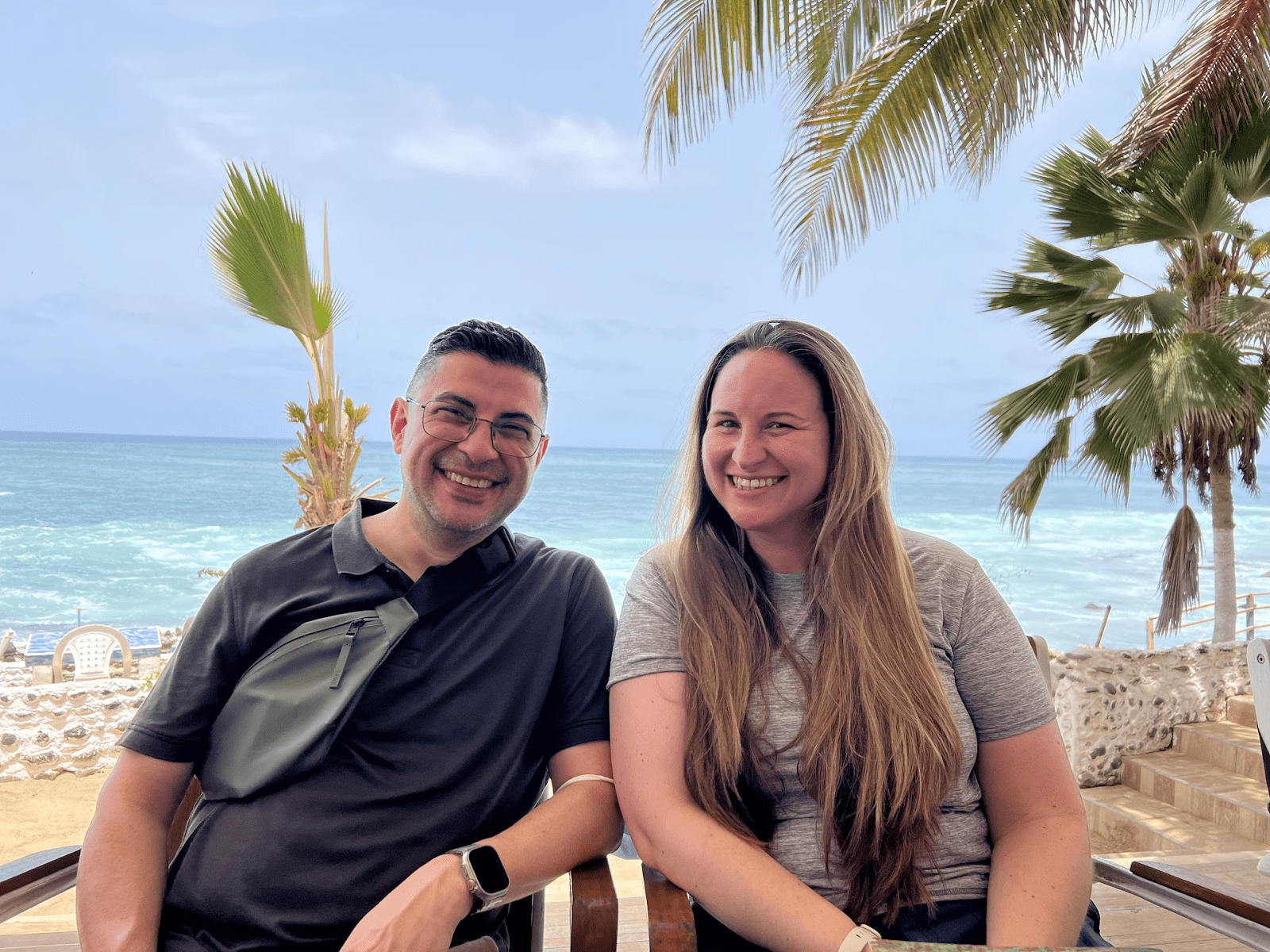
    Two NJ French teachers smiling along the coast of Dakar, Senegal

    All these activities deepened our understanding of how language can create bridges between cultures, and they inspired us to extend our picture book’s impact beyond English-speaking audiences. Through her guidance, we began to see the value in reaching out to readers across the world, aligning with our mission to promote inclusive and accessible education.

    Madame’s mentorship was especially significant in the process of translating our original English picture book into French. She provided thoughtful, detailed guidance and feedback that helped us maintain the integrity of our story while adapting it to suit the nuances of the French language and culture. Rather than treating translation as a mechanical task, she encouraged us to consider the playful tone and gentle emotions, ensuring that our message remained meaningful and engaging for French-speaking children.

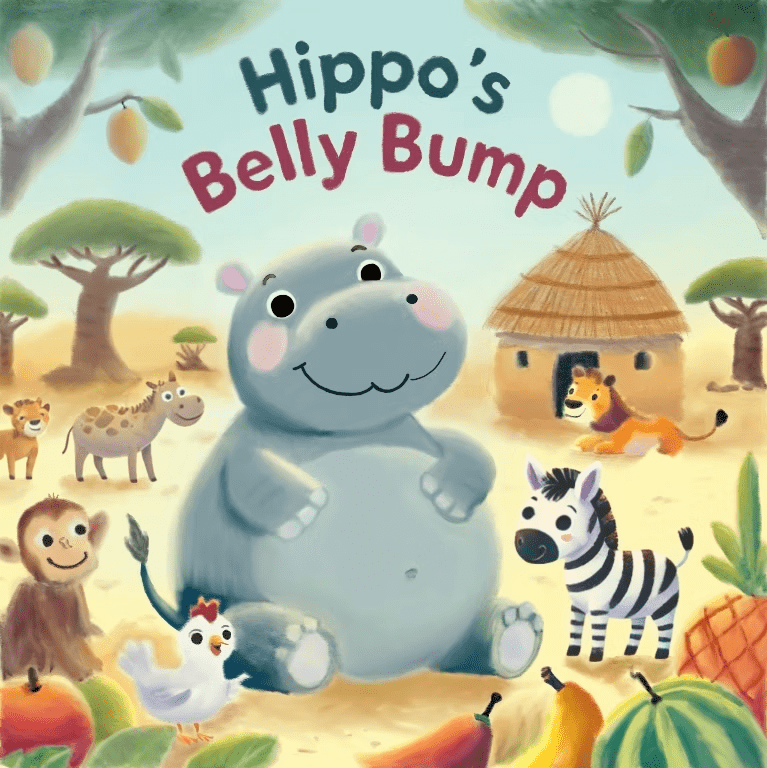
    We hope our book “Hippo’s Belly Bump” reaches children across the world who love to read, learn, and explore English and French. While our book may not be professionally published, it’s filled with creativity and purpose, dedicated to children. We hope our message about kindness and building an inclusive community resonates with the children who read it. And more than anything, we want them to enjoy spending time with the story, just as we enjoyed creating it.

    Children's book cover

    We hope that children who may not always see themselves represented in books will be included as readers. Our goal is for young readers to feel seen, inspired, and curious when they open the pages. We also hope that families and educators who work closely with children in such communities will use the book as a tool to spark imagination and confidence.

    Dogyeong: My dad used to learn French when I was little, and our family often traveled to Paris when I was young. Those trips made the French language feel warm and familiar– it was one of the first foreign languages I ever heard other than English. So when I entered high school, choosing French felt like a natural continuation of that connection. However, as I progressed my French studies at school, my understanding of the French-speaking world deepened. I came to realize that French is not just a language of France, but one that spans continents– spoken in countries like Senegal, Morocco, Belgium, and beyond. Since then, learning French became more than just an academic subject; it has become one of the gateways to engage with global communities and social issues. Through French, I found a meaningful way to combine my interests in language, storytelling, and global connection.

    Eunsung: I first dipped my toes in French when I moved to Canada at the age of nine. After I moved to the U.S., continuing to study French gave me a sense of familiarity and helped me carry a piece of my identity into a new environment. Speaking and using French in Canada, the U.S., and later during a visit to France all felt different—the accents, the way people greet each other, even the simple phrase of “how are you?” varied. But that’s exactly what draws me to the French-speaking world: the way French is spoken may change from place to place, but at the end of the day, it connects people. The language that once helped me adapt has now become a thread running through my story. When I step back, I can imagine that thread weaving quietly outward—reaching a child reading our book or a reader discovering this blog page—and expanding into a shared connection, a continued sense of familiarity and belonging within the French-speaking world.

    Visit our non-profit organization here: https://www.thelearningcompassnj.com/ 

    Donate funds for our picture book: https://gofund.me/645fe7b4 


    Thanks for reading about this unique project. If you are interested in learning more about our French immersion trips FOR educators with educators, or leading a student trip, please contact Vive here.

    – Katy Wheelock

  • Teranga in Senegal

    Teranga in Senegal

    Bonjour from Paris!

    I’m on a Senegalese chasse au trésors in Paris this week! I’ve had the chance to visit shops with Senegalese owners, eat some of the best poulet yassa and mafe, view traditional Diola masks from Casamance, and more. One highlight of the week was a Black Paris tour with an amazing guide. I promise you a blog post after I get back home with all the bonnes adresses for your next trip to Paris. If you aren’t following @vivelexperience on Facebook, Instagram, or TikTok, jump on now and see what we are up to. 🙂

    For this post, I wanted to share a little bit about Senegalese teranga with you today, and why teranga in the Washington D. C. area convinced me to move to Senegal three months after getting married. I like to joke that my husband and I had a two year honeymoon in Senegal, but it’s not a joke, it’s true! I’ll tell you a story, and then you can check out a BBC article and a lesson plan for use in your classes.

    As I was applying for an Ambassadorial Scholarship to live and study overseas, after a few years of teaching high school French, I wandered into the Embassy of Senegal on Wyoming Avenue in Washington D. C. down the street from the Alliance Française to see if I could get some first-hand information about Senegal. Back then, there wasn’t a lot of information available on the Internet, and I wanted to decide if I would list the universities in Dakar and St. Louis, Senegal on my application as my top two out of five. The Senegalese Education and Cultural Attaché M. Mbodj welcomed me warmly into his office where we discussed everything from literature to the weather in Senegal. He assured me that summers in Senegal would not be much hotter or more humid than those in Washington D.C. I had trouble believing this, but in the end, I think he was right. Before I left his office, he invited me to a grand sabar, a festive drumming party taking place in a few weekends in nearby Silver Spring, Maryland, which has a thriving Senegalese community. My husband (then-fiancé) and I headed to that party and we were warmly welcomed. Nearly everyone was Senegalese, except for a few RPCVs (Returned Peace Corps Volunteers). We marveled at the enthusiastic dancing, discovered new drum rhythms, made new friends, and of course tried some bissap, or hibiscus flower juice. Pretty quickly we learned that the Senegalese teranga, or hospitality, is genuine and ubiquitous. Not surprisingly, we decided to go to Senegal and discovered the same thing living there for two years.

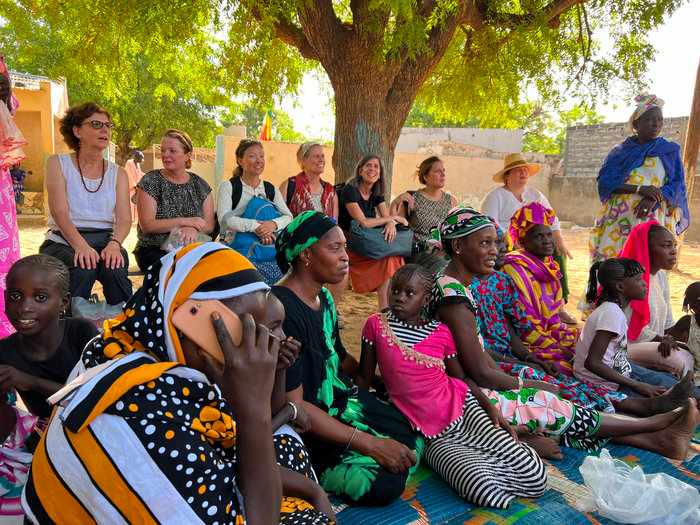
    Because our Vive French educator immersion trips focus on maximizing personal interactions, our participants have been able to experience this hospitalité as well. If you know the Manie Musicale 2024 winning song Akwaba, Senegalese teranga is pretty much the same thing: chez nous c’est l’hospitalité! Be prepared to make new friends, have impromptu conversations with someone you just met, and even be invited to sit down to enjoy a visit in someone’s home or for ataaya. Ataaya is Senegalese tea with mint leaves. Typically, ataaya is shared in three rounds in little glasses, giving everyone a chance to have long, relaxing conversations. I’ll definitely write more about ataaya in another blog post. When we needed a restroom break on the highway to Saint Louis on a recent trip, our bus driver took us to his grandmother’s home in a village just off the highway. His cousins and other relatives wanted to invite us all to stay for lunch. There were 19 of us! Unfortunately we had to decline as we had a pre-arranged tour at our destination and still had a few more hours to drive, but this is the kind of thing that happens often. Stay! Chat! Rest! Laugh! 

    Teranga is much more than just hospitality, as you can read in the BBC article I have shared on our website resources. I love that the BBC reached out to Senegalese chef Pierre Thiam who said that teranga is a way of life. Two other expressions in Wolof that are related to teranga are “ñoo far” and “ñoo ko bokk.” Our travelers learn these phrases quickly and use them regularly while in Senegal. You may know ñoo far from the song “l’Ours” which features Senegalese singer Youssou N’dour. He sings, ñoo far, we are all in this together. We are not alone. We are here for each other, and we help each other. Similarly, when someone thanks you, instead of a “je vous en prie” ou “de rien,” you are likely to hear “ñoo ko bokk” which loosely translates as “this is something that belongs to all of us” or “we share it.” Maybe it’s a little bit like, “what’s mine is yours.” Teranga brings welcomes a newcomer or stranger with open arms, embracing them in their communal society.

    We carefully design our trips to offer these kinds of opportunities for you to be more than a tourist, so you can experience Senegalese teranga too.

    Marnice, one of our travelers from 2024 sums it up nicely:

    “Being able to celebrate Tabaski in the home of one our trip leader’s family, stopping by our driver’s grandmother’s house just to say hi and use the bathroom, and visiting our trip assistant’s former host family’s home allowed us to get a better perspective of daily life in Senegal, something that most tour companies would not be able to provide. We also got to interact with other educators and students when we visited a high school, a university, an arts school, and an arts and cultural center. Having our leaders’ Senegalese friends and families join our visits and chat with us was also a wonderful addition.”

    “Being able to celebrate Tabaski in the home of one our trip leader’s family, stopping by our driver’s grandmother’s house just to say hi and use the bathroom, and visiting our trip assistant’s former host family’s home allowed us to get a better perspective of daily life in Senegal, something that most tour companies would not be able to provide. We also got to interact with other educators and students when we visited a high school, a university, an arts school, and an arts and cultural center. Having our leaders’ Senegalese friends and families join our visits and chat with us was also a wonderful addition.”

    Discover teranga in Senegal with Vive:

    Our trips tend to book up by January for the Summer programs. You can sign up here for a free Zoom Informational Meeting – we have one coming up in a few days where you can learn more about our upcoming trips. We’ll tell you more about our itinerary, philosophy for travel, and how to sign up. Vive l’expérience! 

    Visit the website and our lesson resources if you would like to teach your students about Senegalese teraanga as well. You can find a BBC article in English, with activities to complete in English or French. You could integrate this into an existing unit, or you could save it for an emergency lesson someday to do with all of your classes. Let me know how it works out for you.

    Hope to see you soon! Ba beneen yoon!

    (Originally sent via email on November 8, 2024 from Paris, France)

  • Year-long Senegalese Classroom Experiences: From Baobabs to Fanals to Graffiti

    Year-long Senegalese Classroom Experiences: From Baobabs to Fanals to Graffiti

    It’s my pleasure to share this guest blog post by Emily Greif, a French teacher at a Reggio-Emilia-inspired elementary school in Washington, DC Public Schools. Her creativity in designing engaging instruction in French for a year based on Senegal is inspirational. Enjoy!


    Bonjour! I’m honored to share my story via this blog for Vive l’expérience, particularly given how impactful my travel with Vive has been in all aspects of my life. When I traveled with Vive to Senegal during the summer of 2024, I was preparing to begin my 10th year teaching at School-Within-School (SWS) in DC; I was eager for my first trip to Africa and to bring my learning experiences directly to my students. As I will soon describe further, each year, our school focuses on a different Francophone country, and the upcoming year’s focus on Senegal promised to be more impactful than ever. I simply did not know how transformative it would be for both my students and me. In this post, I’ll share some of the lessons and connections created and enhanced by my Senegalese travel with Vive l’expérience.  

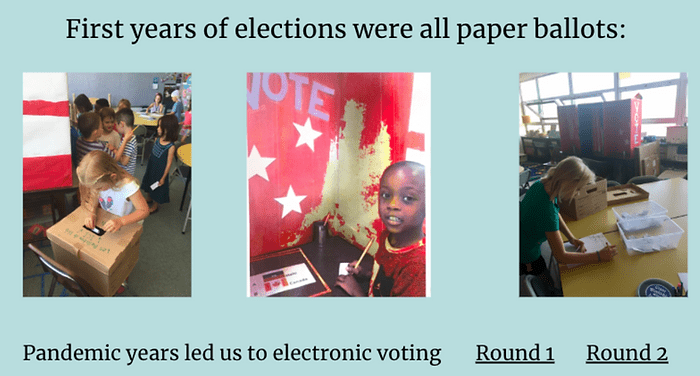
    The practice of holding a school-wide election to select the following year’s Francophone country of study started in the spring of 2017. After two years of teaching at the elementary level and building new curriculum suited to this age group, I knew it was time to bring in something new, a way to invigorate the teaching and learning each year and to ensure I didn’t continue teaching as I’d been taught: with a strictly France-centric focus in all areas. Having grown up in Idaho and attended both undergraduate and graduate universities in Washington State, virtually all of my cultural learning experiences were related to France itself, with the occasional Québecois reference. Following the U.S. Presidential election in 2016 and the French Presidential election in 2017, SWS students were primed for their own election. We voted “French-style” – with two rounds of voting: first round with all Francophone country contenders, second round with the top two contenders from the first round. The caveat was that France would not be on the ballot, to de-colonize the curriculum. Madagascar won the first election in a landslide over Canada, and I entered summer break ready to learn and plan.  

    The idea of the Francophone country study is to use all aspects of the country as provocation for learning: geography, weather, art, music, food, sports, animals, etc. With Madagascar that first year, Léa the lemur was the main character in most of our stories, art from the country was used to teach colors, feelings and more, and we discussed our favorite breakfast foods while learning about and tasting “mofogasy” a common yeasted bread made from rice flour. While I had never before visited Madagascar, I did my best to infuse aspects of the country it into the majority of the year’s lessons for my PK3-5th grade students.  

    Fast forward through years of studying Canada, Belgium, Haiti, Togo, Burundi… and a partial year studying Senegal before Covid-19 sent us all home in 2020. When the opportunity to travel with Vive l’expérience appeared, I knew it would be phenomenal. I had learned about Senegal from Katy Wheelock at the ACTFL Conference in DC in 2019, so I had seen how Katy integrated Senegalese culture into her classes. I could not wait for my own travel – and shared with SWS students that we would re-visit Senegal after our interrupted year of 2020. The students all agreed this was a good choice and we parted ways for the summer. As the 2024-2025 school year approaches its final term (in DC, the school year doesn’t end until late June), I can freely say that this year’s study of Senegal has been extraordinary: students have felt greater connection to the culture through my own direct experience, the teaching and learning have reached a deeper level, and I personally have gotten to re-live some of the most meaningful travel experiences of my life every day this school year. I’m sharing a few of our lessons and connections here.  


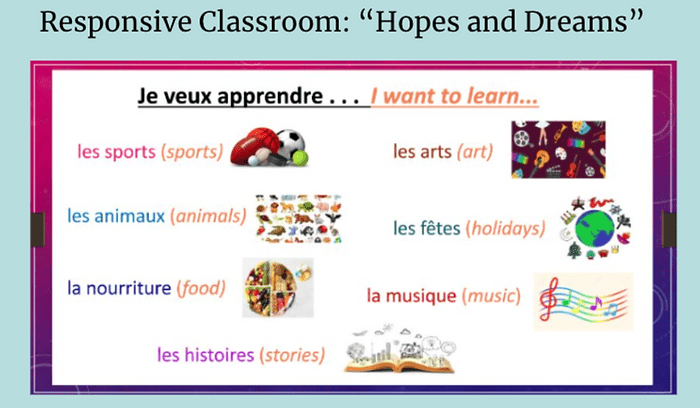
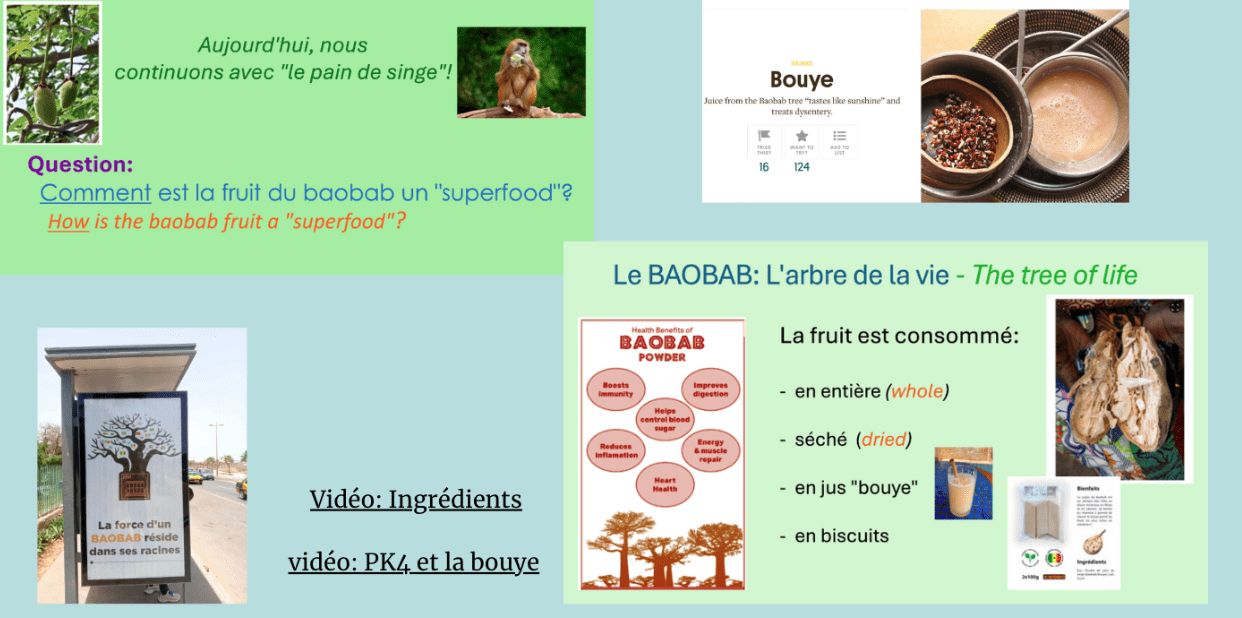
    As a Responsive Classroom school, we begin each school year with the creation of “Hopes and Dreams” for each class, and in French, we center our “espoirs et rêves” around what we most wish to learn about the Francophone country of study. Our Reggio-Emilia school is also centered around student-directed project work, so by sharing our hopes and dreams, it also gives a direction about where to start. Perhaps due to my effusive comments about the delicious food I’d eaten while traveling in Senegal, the students overwhelmingly voted to begin the year with la nourriture. I knew exactly what to introduce first: the fruit from the incredible arbre de la vie: le baobab.  

    We learned facts about the baobab tree itself, made observational drawings, told stories centered around the tree and made predictions about its fruit. We learned about its phenomenal nutritional values then made and tasted the juice, bouye, in class. Engaging all the senses while learning is so impactful!  

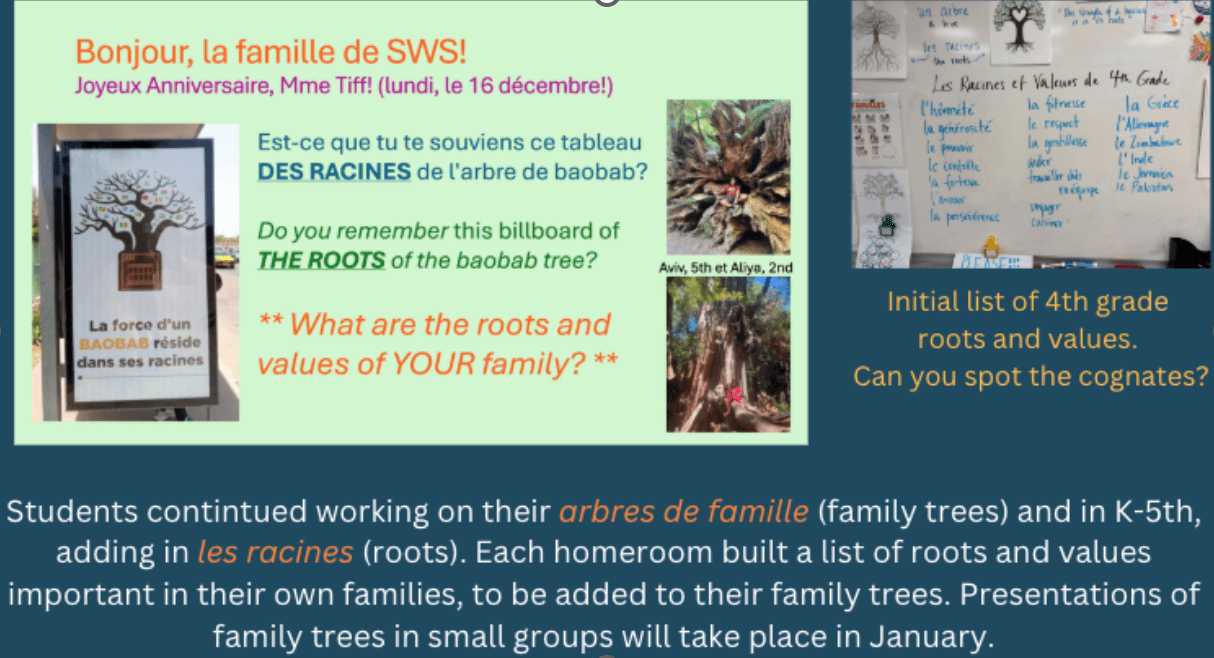
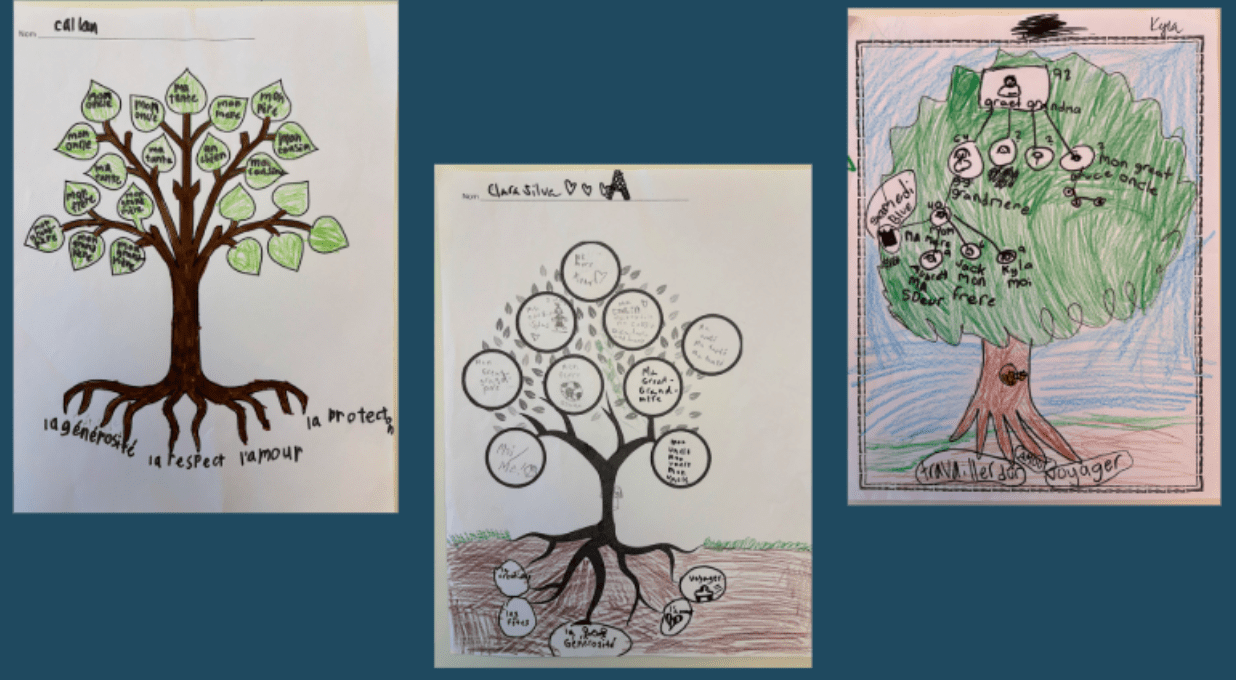
    While in Dakar, I noticed a billboard with an image of a baobab several times, with the message “La force d’un baobab réside dans ses racines” and I knew I wanted to highlight it in my class. After tasting “la bouye” we turned our focus to “les racines” reviewing the parts of the tree and discussing whether humans also have roots. Our review and teaching of vocabulary for family members, abstract nouns and geography has never been more meaningful. Students interviewed family members, designed their own family trees, and presented them in small groups with pride and strength.  


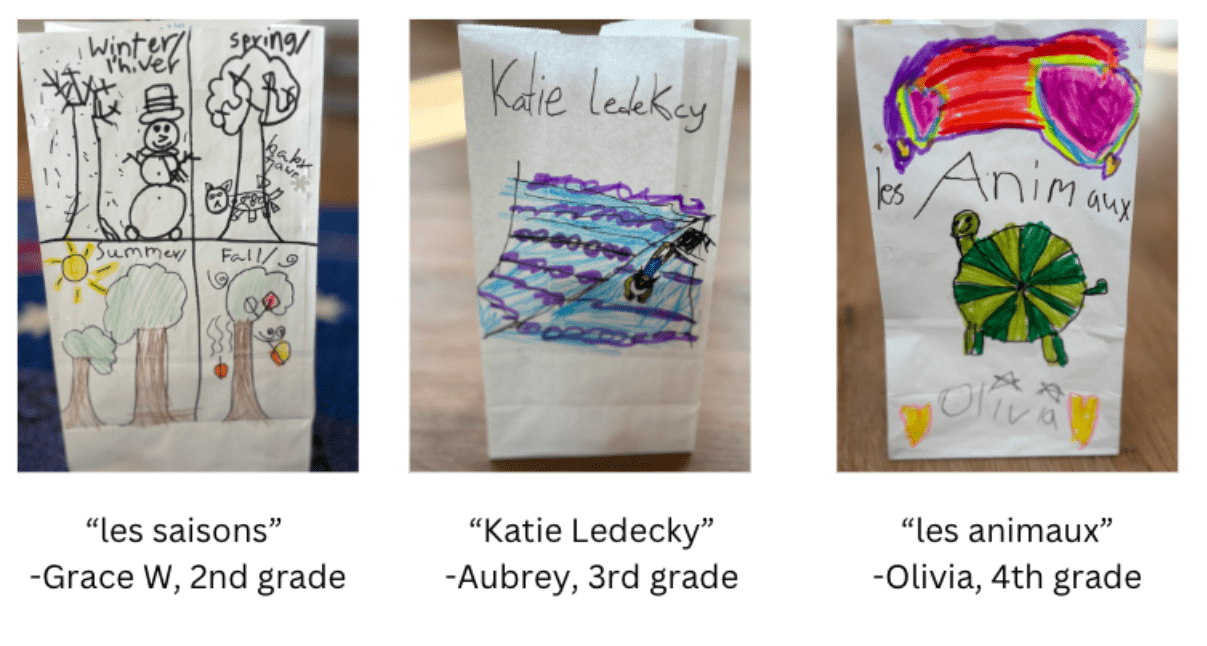
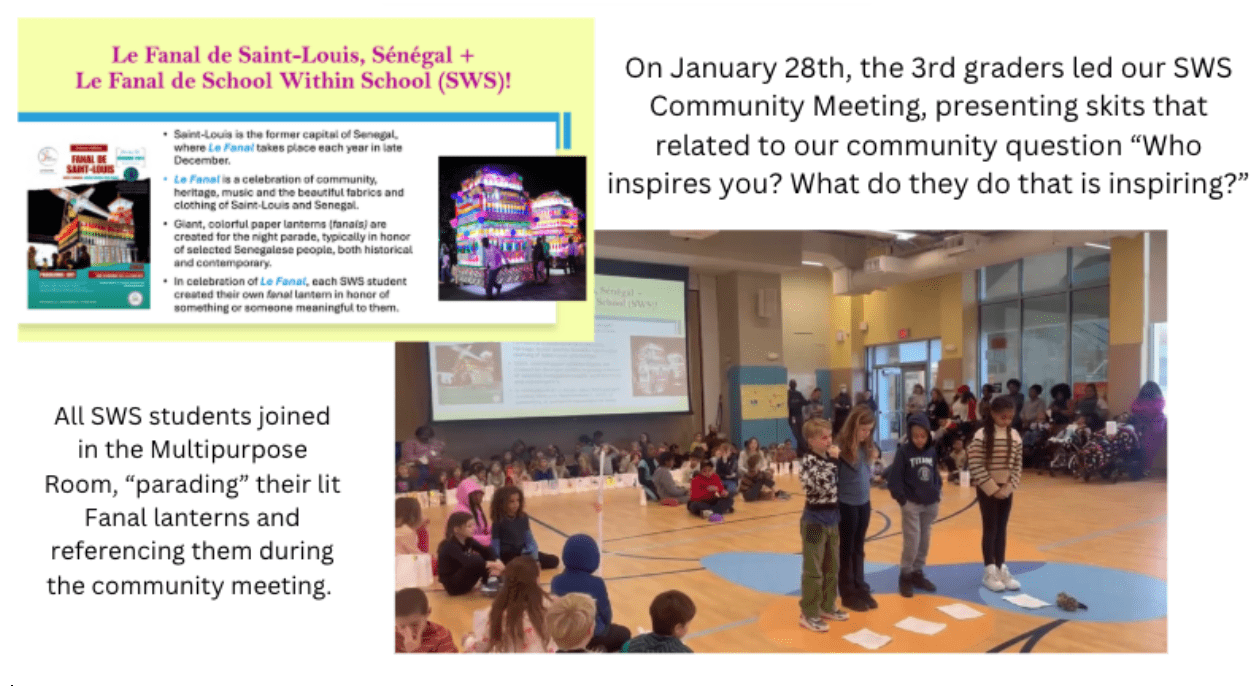
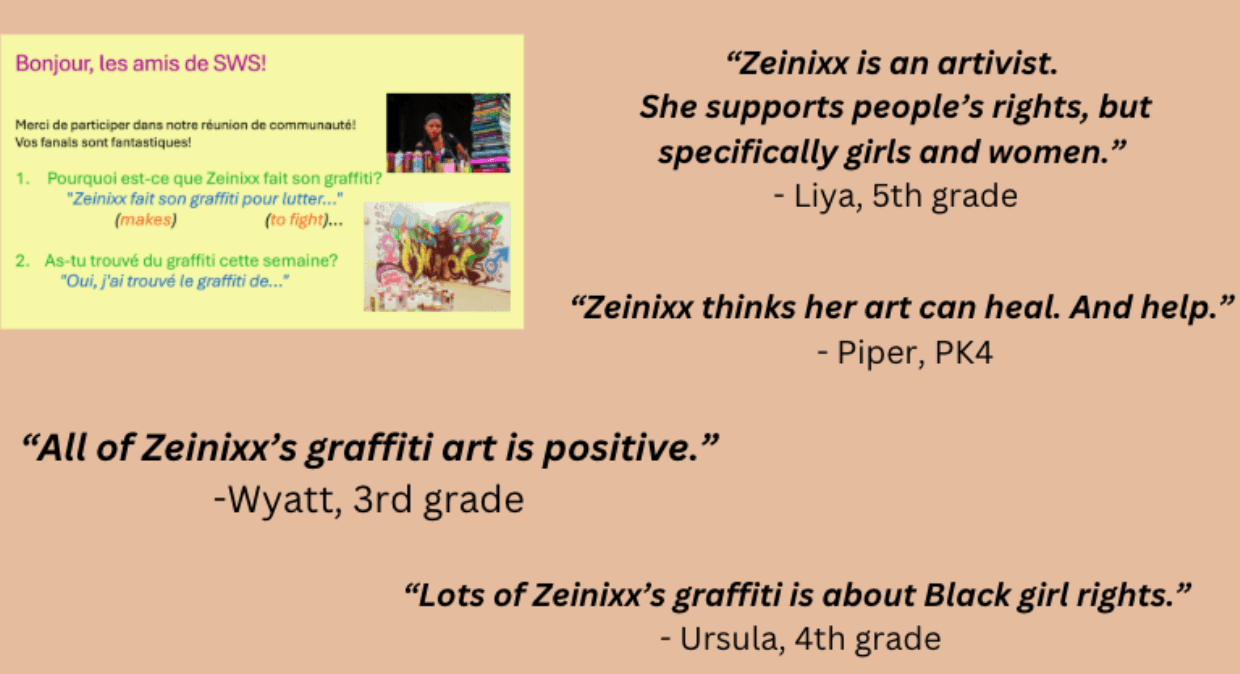
    As our school prepared for its annual Winter Solstice celebration, I knew that an introduction to “Le Fanal” -a celebration of light, music, culture and community that takes place annually in Saint-Louis, Senegal – would connect wonderfully. On a day that our school community celebrates the darkness and light on the shortest day of the year, students began crafting their own “fanal” – a paper lantern they would create in honor of something or someone that is meaningful to them. I shared that my fanal would represent Zeinixx, an artist and activist from Senegal but didn’t share more details until after winter break. The students started creating beautiful lanterns in honor of all manner of people, character traits and even food. When we returned from winter break, the fanal creation continued, with photos and videos of Fanal 2024 from Saint-Louis. We were delighted to have a school-wide parade of our fanals at the end of January, with many of the student lanterns connecting to our community questions of the month: “Who inspires you? What do they do that is inspiring?” 


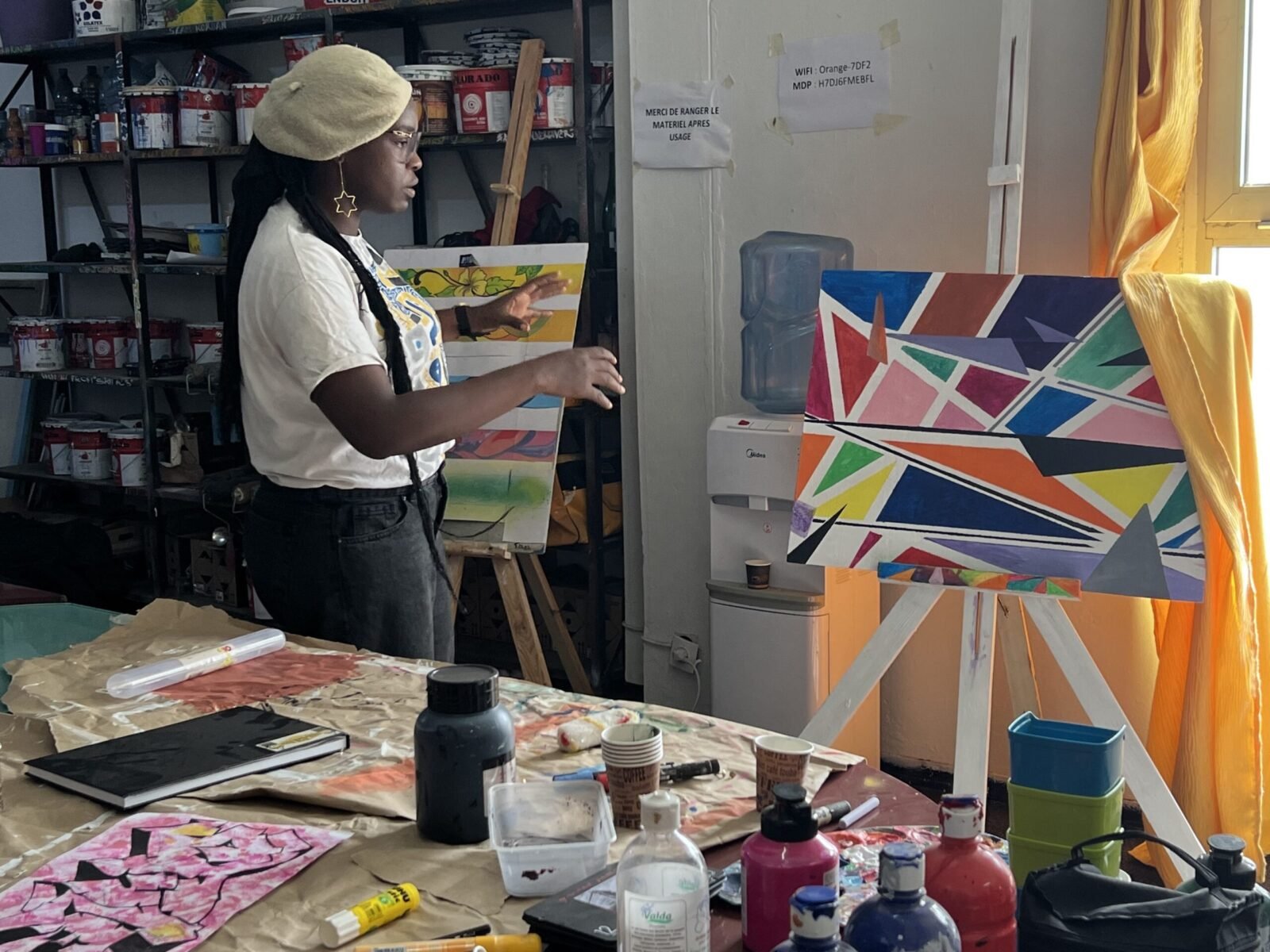
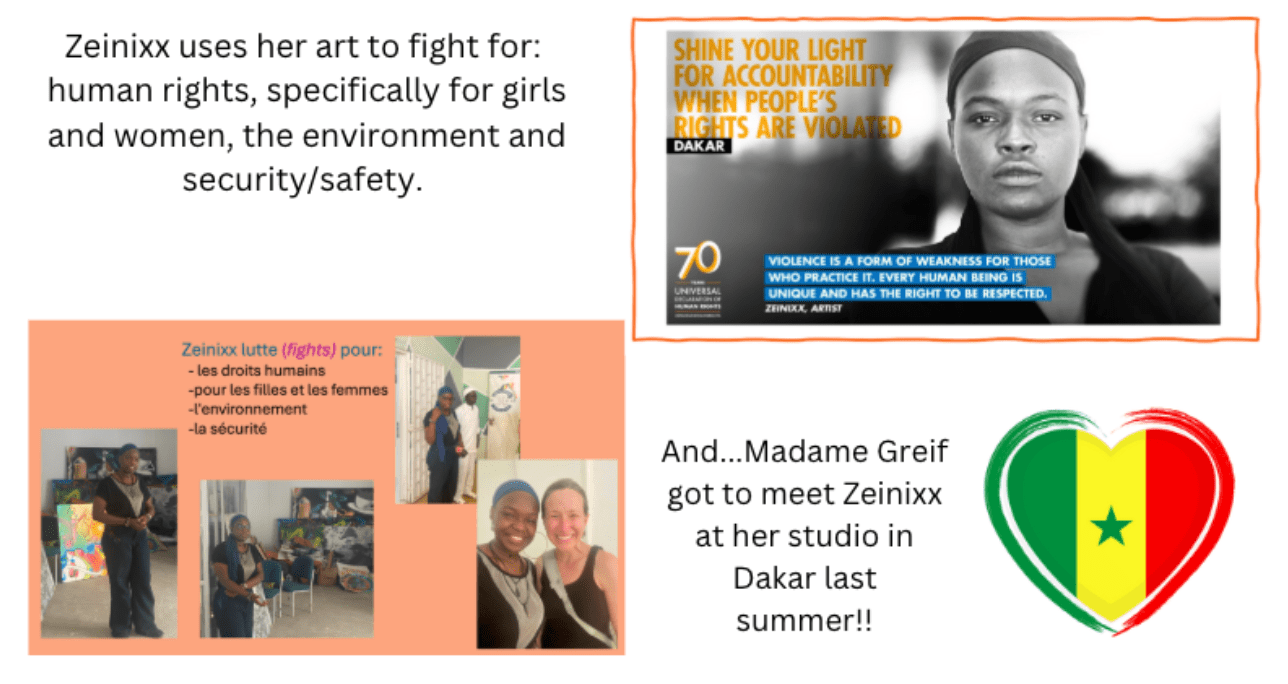
    As we moved into February, we focused closely on the art and activism of Zeinixx, whom I got to meet at her studio in Dakar last summer. Hearing Zeinixx speak about her commitment to human rights, and to lifting up young people, giving them purpose and connection, resonated deeply with me. For our school-wide Black Joy and Excellence project, there was no question that I wished to highlight the art + activism (artivism!) of Zeinixx.  

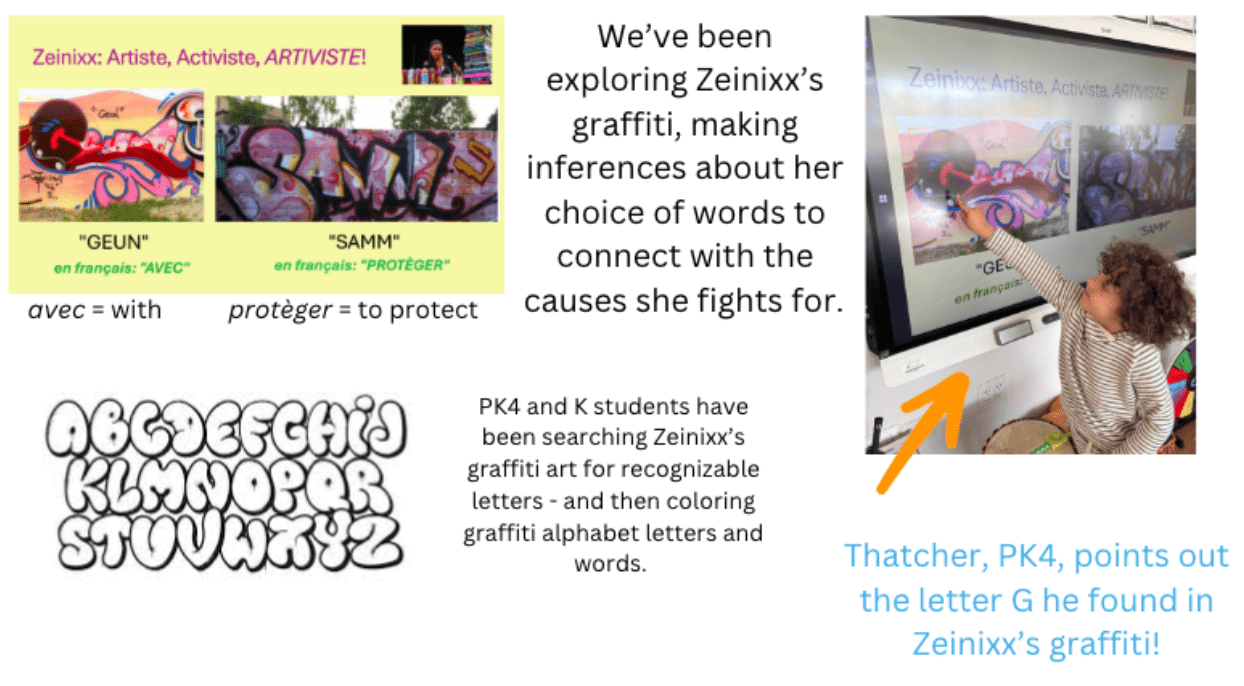
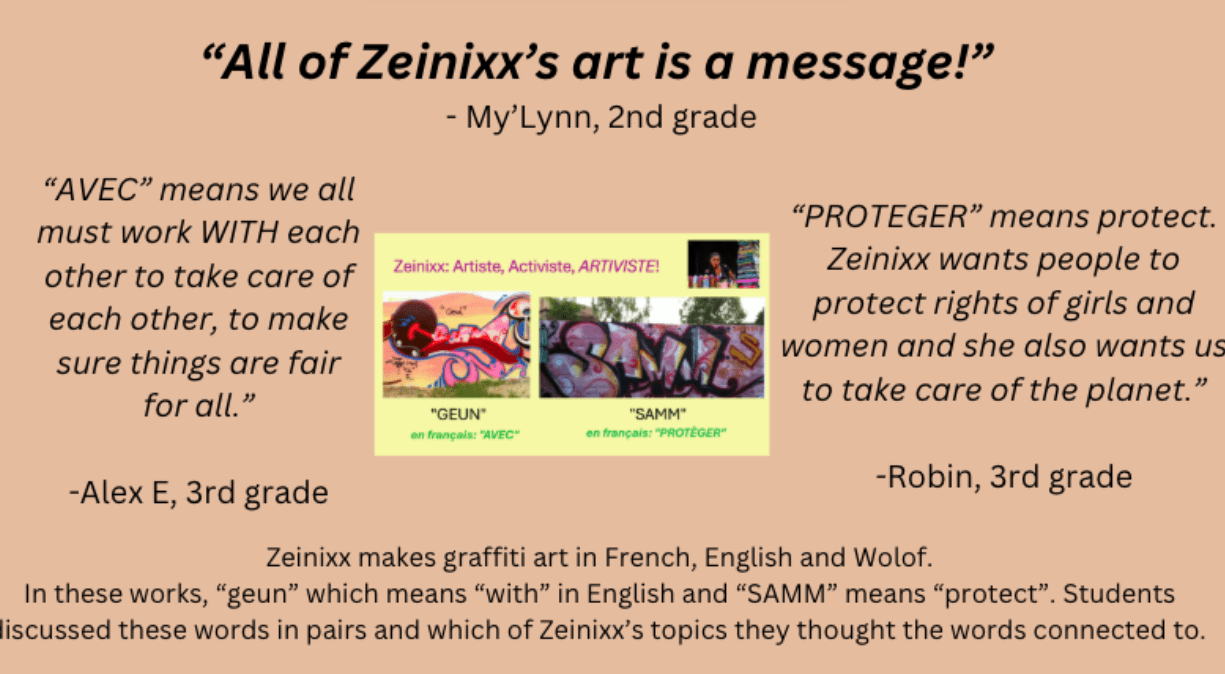
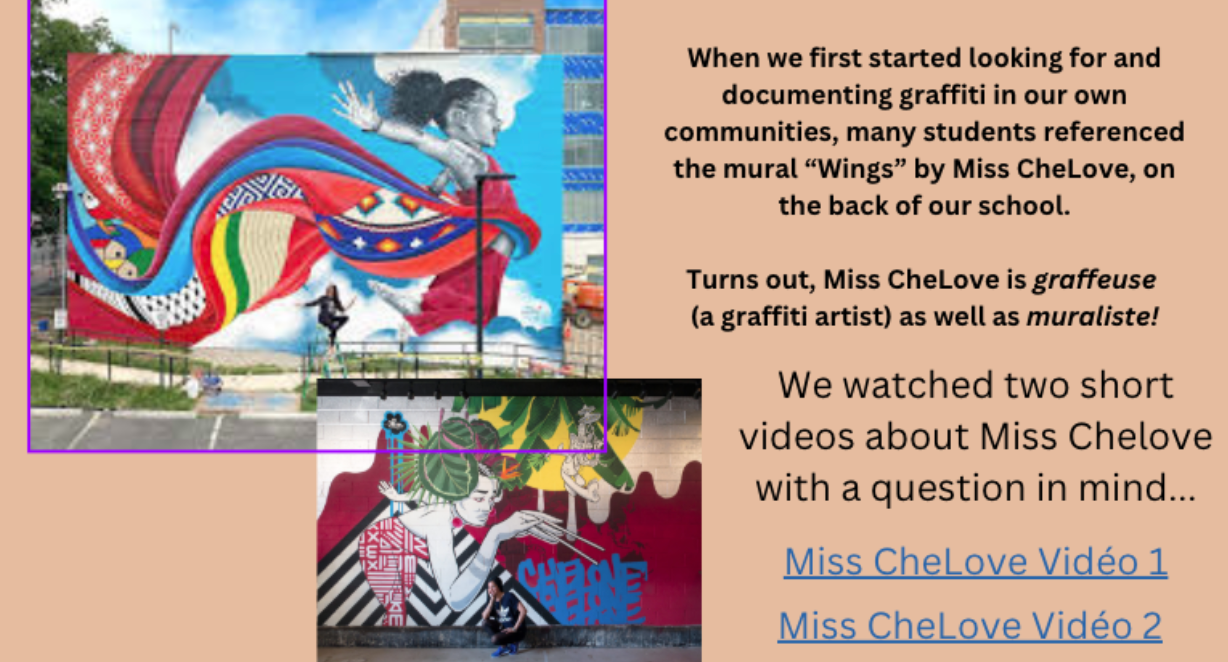
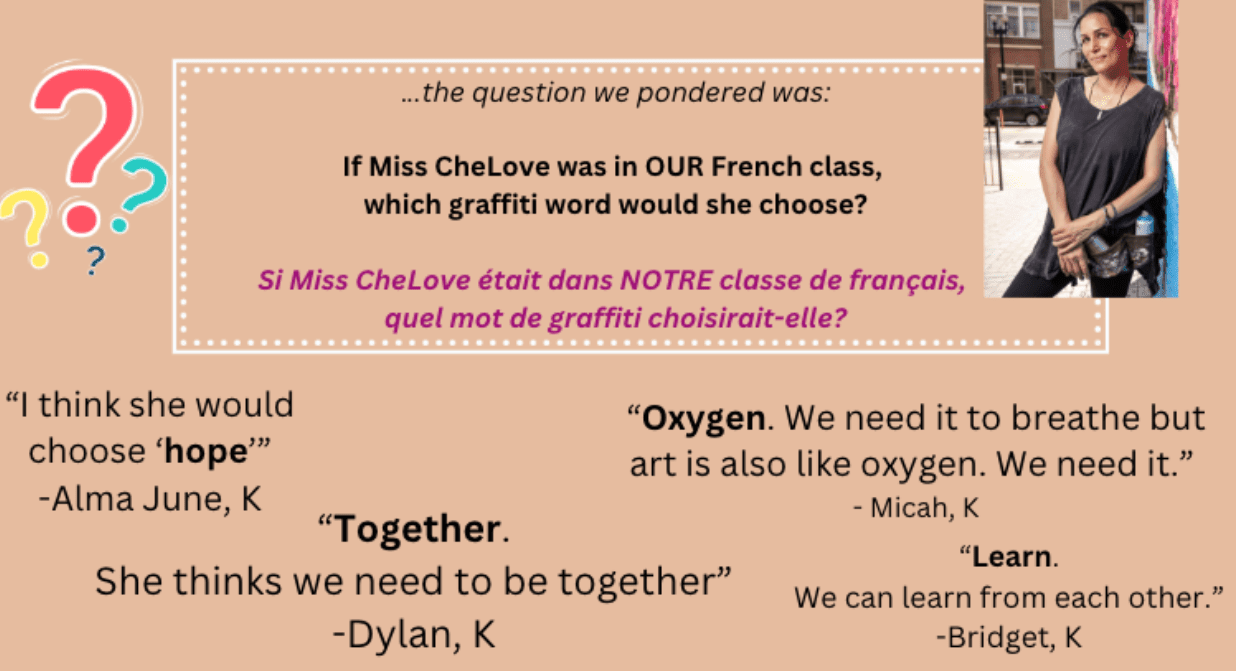
    Le graffiti became our focus: Zeinixx’s graffiti art was our provocation in class, with discussions about the difference between graffiti art and vandalism, and the perspectives on graffiti in Senegal vs the United States. Students were tasked with seeking graffiti in their own communities, sending in images for examination in class. We also learned about a local graffiti artist and muralist, Miss CheLove, who created a mural on our school as part of its modernization. 

    Here is the link to Miss CheLove Vidéo 1
    Here is the link to Miss CheLove Vidéo 1
    The students LOVED this song about graffiti by Zeinixx. 
    The students LOVED this song about graffiti by Zeinixx. 

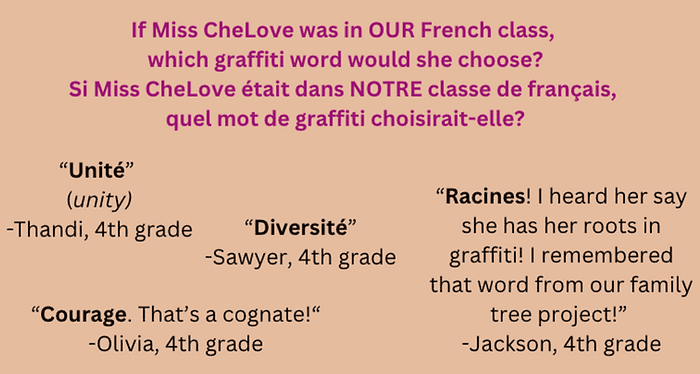
    Eventually, students were asked to become “artivists” themselves – to come up with one word in French to convey what they wished to see more of in the world, or a word that represented their beliefs and to create a graffiti-version of the word in honor of Zeinixx and her positive activism. Our youngest students, ages 3 and 4, created the “spray-painted” background to the graffiti “walls” that would feature the students’ artwork at our school-wide Exhibition of Learning in early March. Linked here is the glossary of graffiti words that students selected; linked here is a document that features the framework of the project based on Gholdy Muhammad’s Culturally & Historically Responsive Education (CHRE) Pursuits Framework, as well as more project photos and documentation.  


    With Zeinixx’s art and activism in our hearts, we turn towards the final term of the year, ready to highlight sports, animals and more food from Senegal. We will also prepare to vote for next year’s Francophone country of study, knowing that this year’s learning has no comparison, thanks to the well-planned, meaningful cultural learning experiences I received as part of my travel with Vive l’expérience last summer. Merci, mille fois à Vive l’expérience, à Zeinixx et au teranga inoubliable du Sénégal!  

    Again, thanks Emily, for this great guest blog post! Are you ready to learn more about our teacher experiences in Senegal? Hope to hear from you soon!

  • De Talibé à Professeur : Le Parcours Extraordinaire de Matou Diallo

    De Talibé à Professeur : Le Parcours Extraordinaire de Matou Diallo

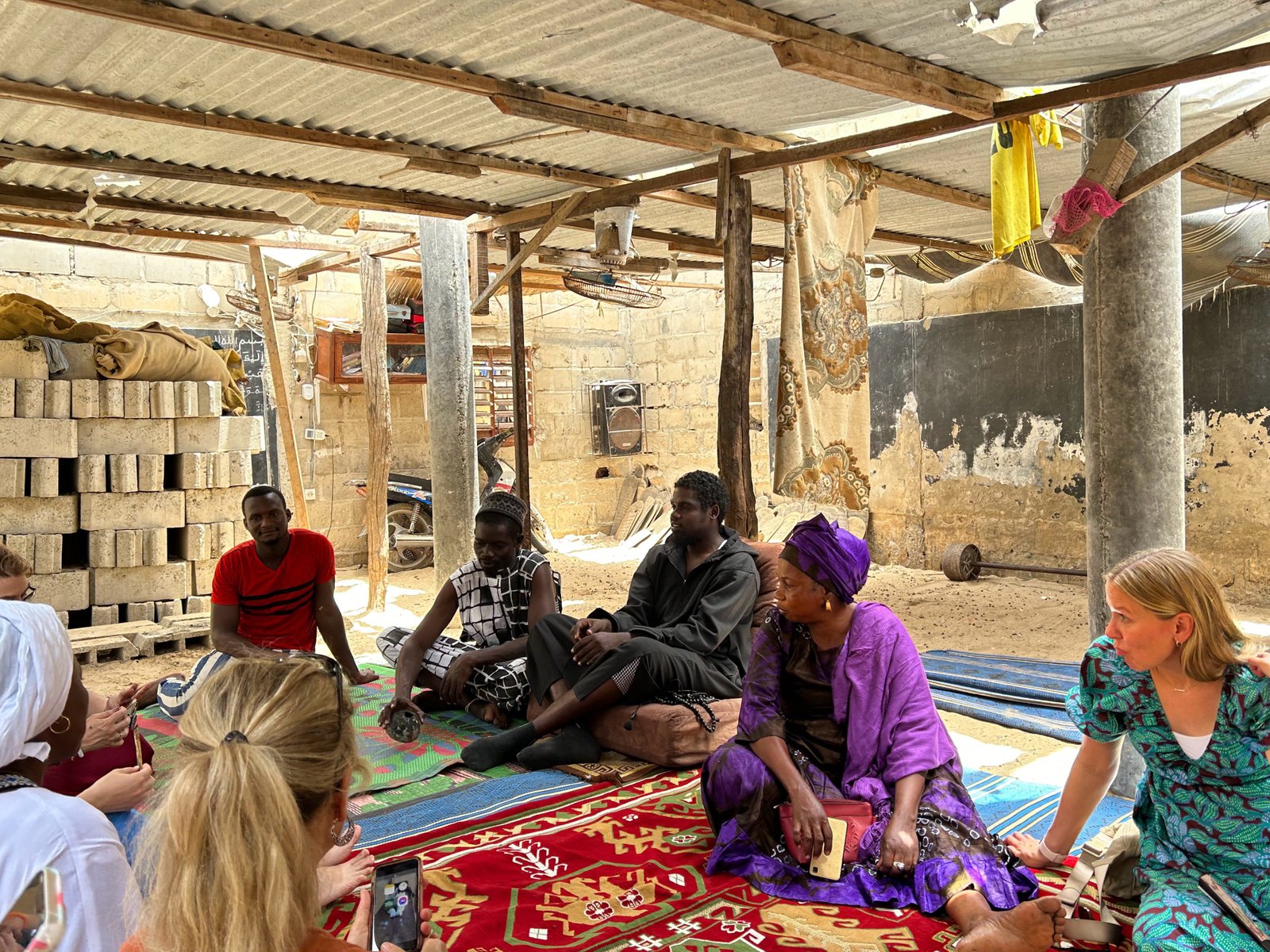
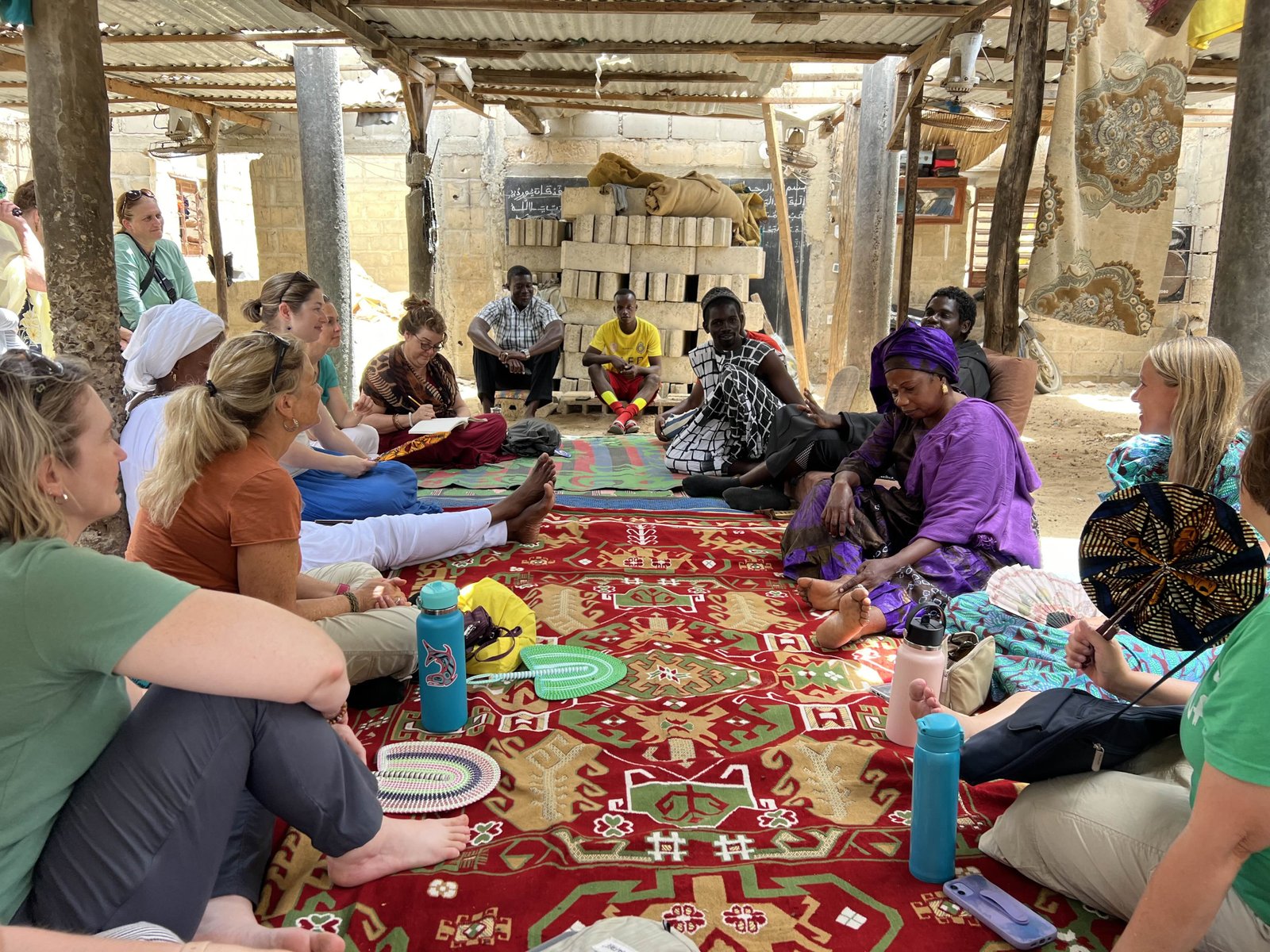
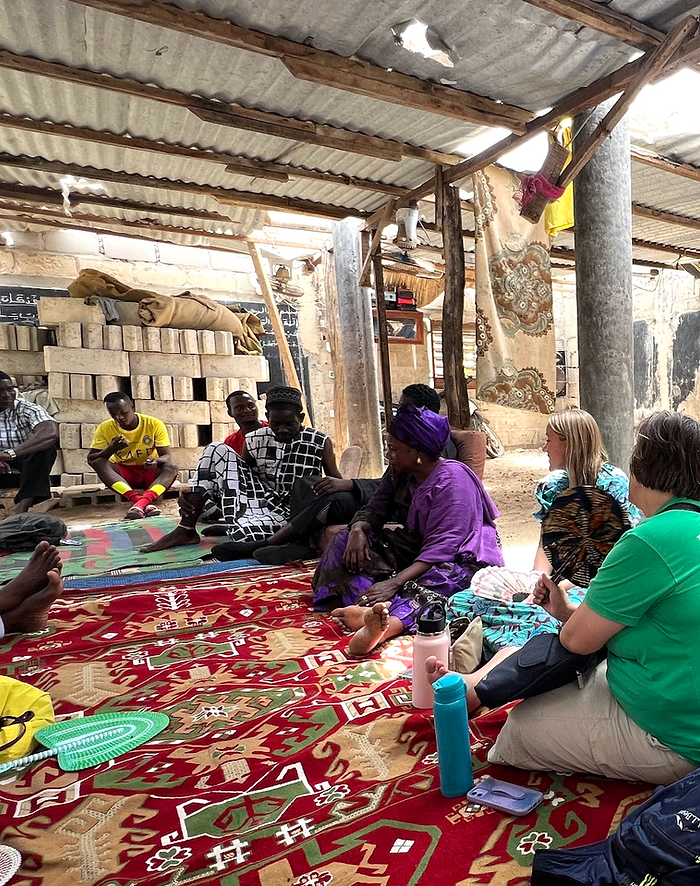
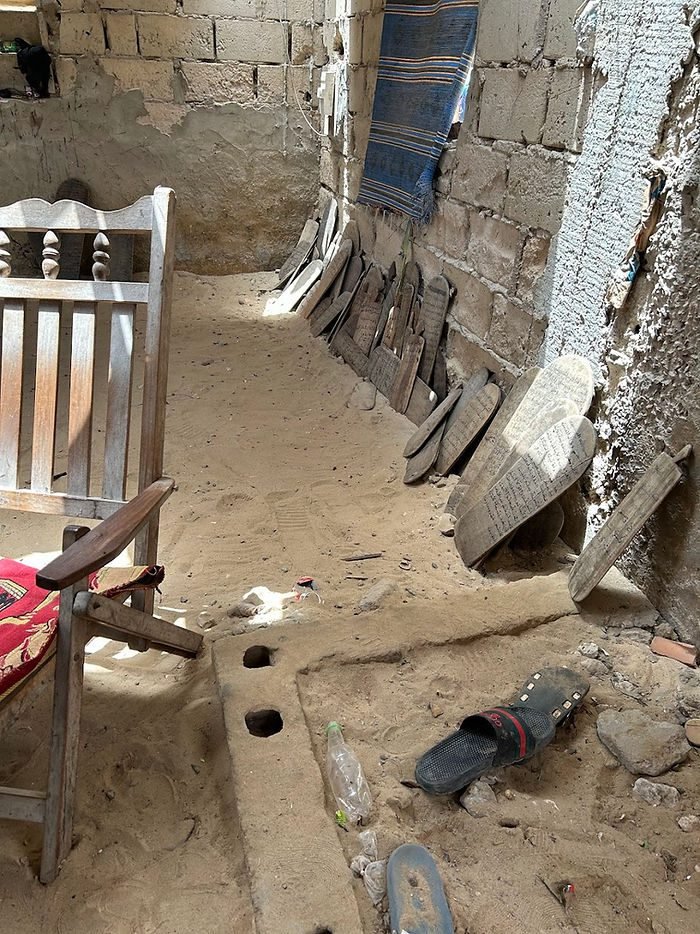
    In this blog post, Matou, Vive’s Country Director for Senegal, shares his personal experiences as a talibé when a young boy. The text which follows is a shortened version of a much longer text he wrote as part of his graduate studies. Whereas some may see talibés to be poor, abandoned children begging in the streets, the story can be more nuanced. Thanks to Matou, and the various contacts we have through Vive, we aim to share these nuanced details through our first-hand visits in Senegal. One of our teacher groups had the chance to visit and meet with a marabout’s assistant in a daara, in St. Louis, providing a personal view into the life and studies centering on the Koran. The photos in this blog post are from our 2024 visit to this daara.


    De Talibé à Professeur : Le Parcours Extraordinaire de Matou Diallo

    Le mot talibé, dérivé de l’arabe talib signifiant « étudiant », revêt une profonde importance culturelle et religieuse au Sénégal, notamment parmi le peuple wolof. Traditionnellement, il désigne les jeunes élèves qui se consacrent à l’étude du Coran et des textes islamiques sous la direction d’un marabout (enseignant religieux) dans les daaras (écoles coraniques). Ces écoles, piliers de la société wolof depuis des siècles, mettent l’accent sur le développement spirituel, la mémorisation du Coran et la transmission des valeurs islamiques.

    Cependant, le rôle des talibés dans la société sénégalaise moderne est devenu plus complexe. Bien que les daaras restent des institutions respectées, de nombreux élèves y font face à des défis tels que la pauvreté, la faim et parfois même l’exploitation. Malgré ces épreuves, la quête de connaissance et de croissance spirituelle demeure une tradition profondément ancrée dans les familles sénégalaises.

    Pour moi, le chemin d’un talibé n’a pas été qu’un simple parcours spirituel : j’ai été le socle de ma remarquable transformation, passant d’un jeune garçon confronté aux difficultés de la vie en école coranique à un professeur de langues et un expert en éducation internationale. Mon histoire est une véritable leçon de résilience, de persévérance et de la capacité de l’éducation à transcender les barrières sociales et économiques.

    Dans la tradition islamique, l’éducation coranique des enfants est considérée comme une obligation religieuse essentielle pour forger leur identité spirituelle et garantir leur développement moral. Les parents sénégalais perçoivent les daaras comme des institutions vitales pour inculquer des valeurs et principes intemporels. Pourtant, mon parcours montre qu’une éducation combinant foi et apprentissage académique peut offrir des opportunités bien au-delà de la préservation culturelle.

    Grâce à mon travail acharné et à ma détermination, j’ai surmonté les défis auxquels sont confrontés de nombreux talibés, poursuivant des études supérieures et devenant un érudit respecté. Mon histoire inspire non seulement le Sénégal mais également le monde entier, témoignant du pouvoir transformateur du savoir allié à une volonté inébranlable.

    Mon parcours nous rappelle qu’en dépit des obstacles, la quête de la connaissance peut ouvrir la voie à un avenir plein d’espoir, d’opportunités et d’impact profond.

    Les Aspects Positifs de Mon Expérience en Tant que Talibé

    Grandir en tant que talibé au Sénégal a été une période difficile de ma vie, mais aussi une expérience qui m’a appris des leçons inestimables et m’a façonné en la personne que je suis aujourd’hui. Malgré les épreuves, certains aspects de cette expérience se sont révélés positifs et transformateurs.

    Une Durée Limitée comme Talibé

    Contrairement à de nombreux talibés qui passent des années, voire toute leur enfance, dans un daara, mon temps en tant que talibé était limité aux mois d’été. Pendant l’année scolaire, je retrouvais un environnement plus structuré et favorable, ce qui me permettait de me reposer, de me recentrer et de maintenir mon progrès académique. De plus, je n’ai eu à mendier que pendant trois étés, une période relativement courte par rapport à d’autres qui passent des années dans la rue. Savoir que mon expérience dans le daara était temporaire m’a donné de l’espoir et m’a aidé à garder le cap sur l’avenir que je désirais.

    Des Leçons de Résilience, d’Adaptabilité et de Débrouillardise

    Vivre dans un daara avec des ressources limitées m’a appris la résilience. J’ai appris à surmonter des défis, de la mendicité dans les rues à la gestion des rejets et des conditions difficiles. Ces expériences m’ont inculqué une forte capacité à persévérer qui m’accompagne toujours aujourd’hui.

    J’ai également développé une grande adaptabilité. Naviguer dans des environnements inconnus et interagir avec des personnes de tous horizons m’a appris à m’ajuster rapidement à de nouvelles situations. Cette compétence s’est avérée précieuse dans ma vie personnelle et professionnelle, me permettant d’aborder les changements et les incertitudes avec assurance.

    En outre, j’ai cultivé ma débrouillardise. Avec peu de soutien financier ou matériel, j’ai trouvé des moyens créatifs de résoudre les problèmes et de tirer le meilleur parti des ressources limitées à ma disposition. Cette capacité à improviser et à innover m’a aidé à affronter les complexités de la vie et à atteindre mes objectifs.

    Cultiver l’Humilité, la Gratitude et l’Empathie

    Partager l’expérience du daara avec des garçons de divers horizons m’a appris l’humilité et la gratitude. J’ai appris à apprécier les choses simples de la vie et à valoriser le soutien des autres. Vivre en communauté m’a inculqué un profond sens de l’empathie et de la compassion, des qualités qui guident mes relations et interactions depuis lors.

    L’Impact sur Mon Éducation et Mon Développement Personnel

    Lorsque j’ai intégré le système scolaire français, je me sentais mieux préparé à affronter ses défis que beaucoup de mes camarades. La résilience et la détermination que j’avais développées en tant que talibé m’ont donné un avantage dans cet environnement académique structuré. J’ai prospéré dans ce cadre, utilisant l’éthique de travail que j’avais acquise au daara pour exceller dans mes études.

    Le contraste frappant entre mon expérience de talibé et les opportunités offertes par l’éducation formelle a approfondi mon appréciation pour l’apprentissage et le développement personnel. Cela m’a inspiré à rêver plus grand et à considérer l’éducation comme un moyen de construire un avenir meilleur.

    Un Meilleur Chemin pour les Générations Futures

    Malgré les leçons positives que j’ai tirées de mon expérience, je crois fermement que le système traditionnel des talibés n’est pas la meilleure manière d’éduquer les enfants. La décision de mon père d’envoyer un de mes jeunes frères dans un daara sans me consulter a renforcé cette conviction. Après avoir partagé mes expériences et mes préoccupations avec lui, mon père a finalement retiré mon frère du daara et adopté une approche éducative plus équilibrée pour mes frères et sœurs.

    Aujourd’hui, mes jeunes frères et sœurs bénéficient d’une combinaison d’école française et d’éducation islamique. Cette approche holistique leur permet d’exceller sur le plan académique tout en approfondissant leur compréhension spirituelle. L’une de mes sœurs, à seulement 15 ans, a déjà mémorisé l’intégralité du Coran—un accomplissement remarquable qui met en évidence l’efficacité d’une éducation équilibrée.

    Réflexions et Espoirs

    Mon parcours en tant que talibé a été marqué par des épreuves mais aussi par une croissance personnelle. La résilience, l’adaptabilité et la compassion que j’ai acquises durant cette période ont profondément influencé ma vie. Cependant, en réfléchissant à mon expérience, je m’engage à plaider pour de meilleures opportunités éducatives pour les générations futures.

    Chaque enfant mérite un environnement bienveillant qui favorise son bien-être physique, émotionnel et intellectuel. En combinant une éducation séculière et religieuse, nous pouvons donner aux enfants les outils nécessaires pour s’épanouir dans tous les aspects de leur vie. J’espère que mon histoire inspirera d’autres à repenser les approches traditionnelles en matière d’éducation et à donner la priorité au développement holistique des enfants partout dans le monde.

    A special thank you to Matou Diallo for sharing his personal experiences and helping others to understand the role of the talibé in Senegal. If you would like to learn more about our trips to Senegal, send a message to katy@vivelexperience.com or sign up for our next Discovery Meeting here: /events/. We have many free resources available for French teachers, focusing on Senegal here: /resources.

  • New Year, New Travel!

    New Year, New Travel!

    New regulations coming our way for 2025… If you are like me, you are pulling out the computer looking for flights and planning vacations for next summer! Maybe you are finalizing your plans to join a Vive trip to Senegal or Colombia. Whatever your plans, there are a few new regulations in the travel world that you should keep in mind for the New Year.

    1. Do you know about STEP, the Smart Traveler Enrollment Plan for US Citizens? This one is not a regulation, but I’m always surprised how many teachers who travel with student groups don’t know about this service for US Citizens. Whether you are traveling with students on an exchange, or going somewhere with your family, or headed to Colombia or Senegal with VIVE, this is a good service to know about. If you are traveling with Vive, we will sign up the entire group so your Trip Leader will get alerts, but you can always subscribe individually as well. There are three main reasons to join STEP for every trip you take outside of the USA.1. Get real time updates about health, weather, safety, and security in the country.2. Plan ahead using information from the local U.S. embassy.3. Help the embassy or consulate contact you if there’s an emergency like a natural disaster, civil unrest, or a family emergency.
    1. Are you traveling to the United Kingdom anytime soon? In general US Citizens will need to apply for an ETA in the new year 2025. An ETA is an Electronic Travel Authorization that you will need to have in order to enter the UK. It costs 10£ and is valid for 2 years. It allows you to stay for up to 6 months, but you can re-enter multiple times. You can download the UK ETA App to begin the process, once it’s ready to launch. You still will have to go through immigration with your passport.

    You need:

    • the passport you will travel with – not a photocopy or digital passport
    • access to your emails
    • a credit card, debit card, Apple Pay or Google Pay

    You will need to upload or take photos of the:

    • passport
    • face of the person applying

    You do not need to enter your travel details.

    1. Are you traveling to the European Union (EU) in 2025? Non-EU nationals will need to complete the Entry/Exit System (EES) once it’s up and running. It’s an automated IT system for registering non-EU nationals travelling for a short stay, each time they cross the external borders of any of the following European countries using the system. You can see more info here. Six months after the EES system is up and running, US Citizens will need to apply for an ETIAS. We don’t know yet when this will be required, but it’s something to keep in mind for those of you traveling to the EU in 2025.
    1. If you are traveling with a US passport to Senegal or Colombia, you don’t need a special visa. Travelers must complete the free Migración Colombia’s Online Check-Mig Form within 72 hours of boarding an inbound or outbound flight from Colombia.
    2. Let us know what we can do to help your travel dreams come true in the New Year. We have informational meetings coming up for Summer 2025 trips – sign up here. I’m also available to meet 1-1 via Zoom. Reach out to me at katy@vivelexperience.com.

    We are not immigration experts, so we offer this general advice with links for you to determine your particular situation and requirements for travel in 2025.